Cap Cana is an extraordinary place, but like any important decision, you enjoy it more when it is taken with good information. This is what I would check if I were buying here.
The area matters more than it seems
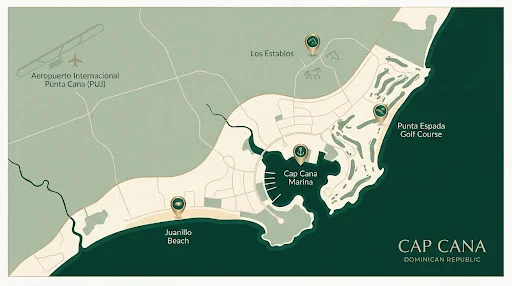
Within Cap Cana there are distinct zones, and they don't behave the same way. The oceanfront, the golf setting and the marina area all have different rhythms, views and levels of privacy.
Waking up to the sea is not the same as waking up to the 7th hole. Both can be perfect, but they are different experiences and they attract different kinds of owners.
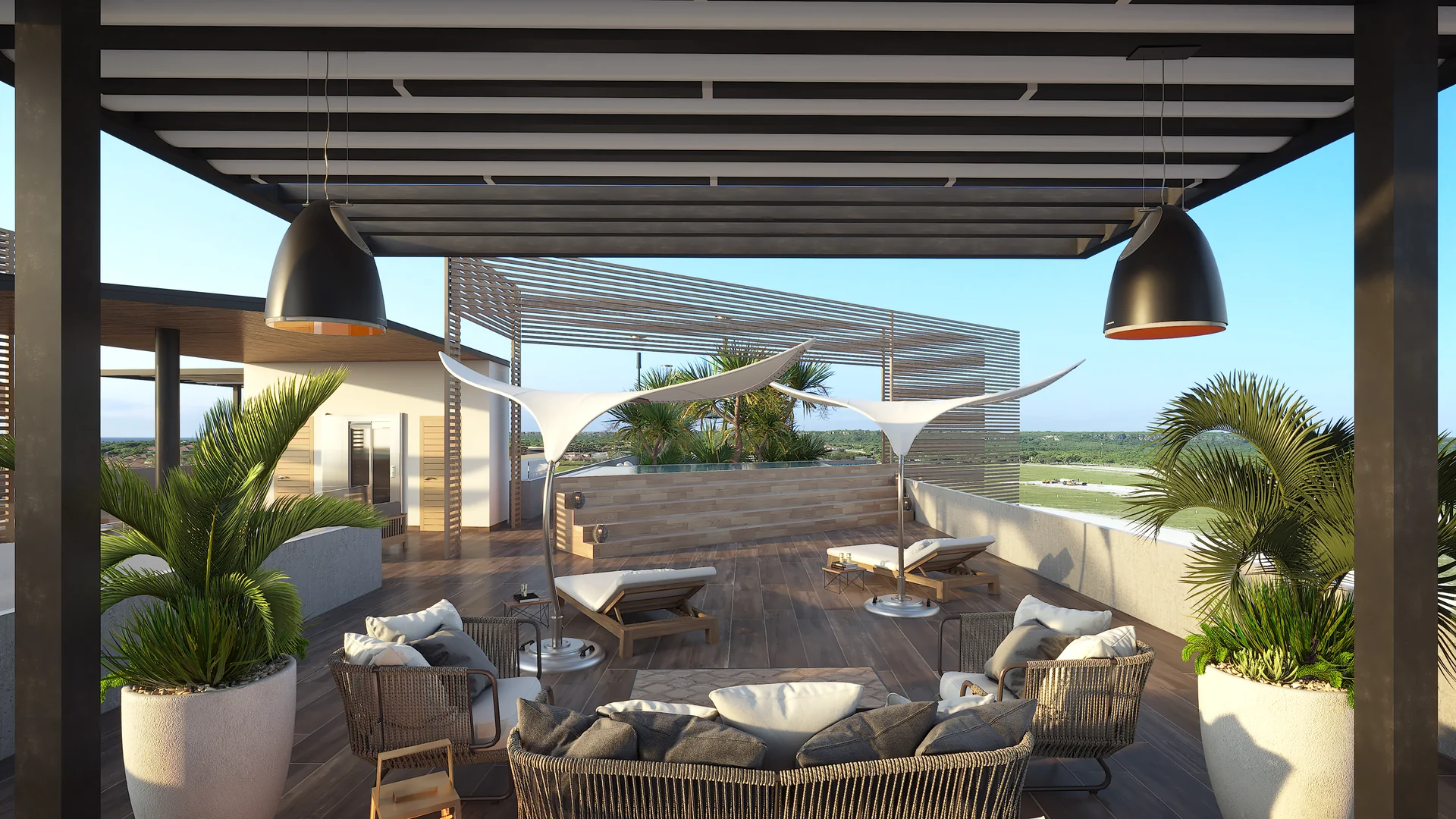
Before you sign, walk the area. Visit the lot or the unit at the time of day you will actually use it: early morning, sunset, a Sunday. What you see in the render almost never includes the wind, the afternoon sun or the real access points.
Developer Due Diligence
Direct developer purchasing guarantees first-tier unit pricing, verifiable construction milestones and CONFOTUR tax exemption certificates.
The project and its stage: presale vs. finished
A project under construction has a very different rhythm from a finished one. In presale you gain time and priority in unit selection; in return, you accept a construction schedule.
If you buy off-plan, ask for the delivery date in writing, the stage-by-stage timeline and the current progress of the build. It isn't distrust: it is normal project management.
If you buy finished, inspect the unit physically, not just the floor plans. Ask what the delivery includes and what it doesn't: kitchen, closets, finishes, landscaping, furniture. Delivery details are where the surprises usually appear.
Costs worth factoring in
Beyond the price of the unit itself, there are closing costs, registry fees, legal fees and, depending on the transaction, transfer taxes. All of these can be estimated in advance; ask for them in writing.
After delivery, recurring costs arrive: community maintenance, security, services and other charges linked to the project. Knowing them ahead of time lets you plan without surprises.
And if you plan to rent the property out in some form, budget for management and operating costs. Most conflicts between owners and management companies come from misaligned expectations, not bad faith.
My recommendation: request a full breakdown of upfront and recurring costs. A serious project has it ready and hands it over without making you feel awkward for asking.
Documents you should always request
Title certificate and legal status certificate: they confirm who the owner is and that the property is free of liens.
Building permits and project approvals: they verify that what you are being shown is properly authorised.
Community rules and use regulations: they define what you can and cannot do with the property, from renovations to rentals.
Full purchase agreement, with annexes and delivery specifications. If something was only agreed verbally, it doesn't exist.
Buying direct from the developer vs. intermediaries
Buying directly from the developer gives you access to primary units, verifiable information about the build and a single point of contact throughout the process.
Intermediaries can add real value if they know the project and the area, but on a major purchase it's worth knowing exactly who you are talking to and on whose behalf.
The question I would ask without hesitation: are you part of the project's team, or are you a third party? Both answers are valid; what isn't valid is ambiguity.
Mistakes I see again and again
Buying by price per square metre without comparing what's included. Two units with the same size can include very different things.
Deciding without visiting. Cap Cana is understood on foot. The location within the project changes the experience completely.
Not asking about the real delivery date, or about the developer's track record.
Not reading the use regulations before buying, and discovering afterwards limitations nobody had mentioned.
Leaving legal advice for the end, when there is no room left to negotiate.
What a good purchase looks like in practice
Verified paperwork, dates in writing, full costs on the table and a direct line to whoever is accountable for the project.
The rest is about enjoying: choosing between marina, golf or sea, and knowing the decision was made well. Peace of mind, in the end, is the true luxury.
Frequently asked questions
How much does maintenance cost in Cap Cana?
Maintenance fees depend on the project, the unit type and the community services, and vary between developments. What matters is not the number on its own, but having the full picture of recurring charges in writing before you sign. Any serious project will hand it over without issue.
Can I rent out my property when I'm not using it?
It depends on the project's rules and the community's use regulations. Some allow managed short-term rentals, others restrict them. Check before you buy: it is one of the conditions that surprises new owners the most.
What does a unit typically include on delivery?
It varies by developer and by unit type. In general, units are delivered with the finishes and items defined in the specifications annex, and furniture is usually optional. Always ask for the delivery list in writing and check it against what you see.
Is it better to buy presale or finished?
Presale means better position and time on your side, with a schedule ahead of you. Finished means immediate certainty: you see and touch what you are buying. The decision depends on what you value more, and on how much you trust the developer's track record.
Can I resell my unit later on?
Yes, units in Cap Cana are transferable following the project's procedure and the Dominican legal framework. It is worth knowing in advance the assignment conditions and any requirements in the rules. It is a perfectly reasonable question to ask before signing.
Want me to guide you step by step?
Direct access to master plans, confidential dossiers and verified availability.